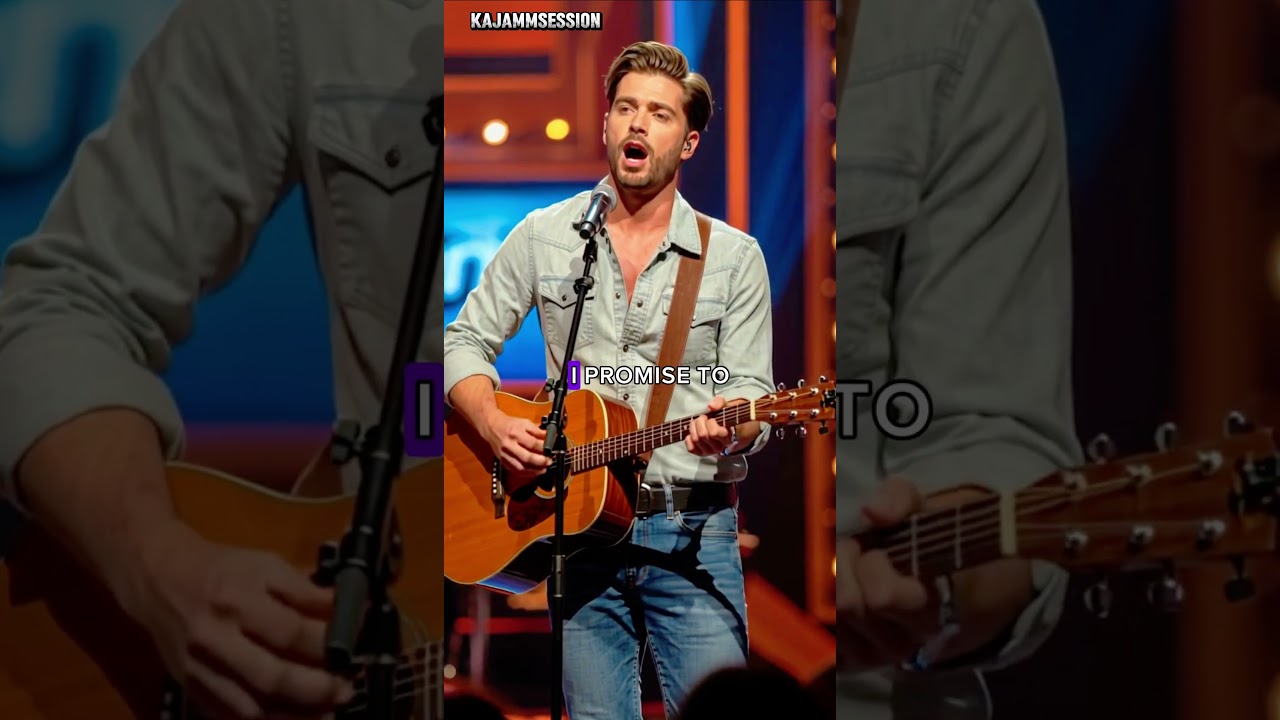
The audience fell silent the moment the first note of the song filled the room. What followed was a deeply emotional performance that reintroduced a beloved classic to a new generation of listeners.
Chicago’s “Hard to Say I’m Sorry” is a song built on vulnerability and restraint. Covering it successfully requires not only vocal control but also emotional honesty, and this rendition delivered both with striking precision.
From the opening lines, the singer’s voice carried a warmth that immediately drew people in. Each phrase was shaped carefully, allowing the lyrics to breathe and resonate without unnecessary embellishment.
Rather than imitating the original too closely, the performer found a personal emotional space within the song. This balance between respect for the classic and individual expression made the performance feel fresh and sincere.
The audience could feel the emotion behind every note. It was clear that this was not just a song being sung, but a story being relived and shared in real time.
As the melody unfolded, the subtle shifts in vocal dynamics added depth to the performance. Soft moments felt intimate, while stronger passages conveyed longing and regret without ever sounding forced.
Many covers struggle to capture the quiet strength of this particular song. Here, the performer understood that less could truly be more, allowing simplicity to become the source of power.
Listeners were visibly moved as the chorus arrived. The familiar words carried new weight, reminding everyone why the song has endured for decades.
What stood out most was the emotional connection between the singer and the audience. Even those hearing the song for the first time seemed to understand its message instantly.
There was no need for elaborate staging or dramatic gestures. The voice alone carried the performance, proving that genuine emotion can be more compelling than spectacle.
As the song progressed, the room felt increasingly unified. Strangers shared the same quiet attention, bound together by a collective emotional experience.
This kind of response does not happen by accident. It comes from a performance that respects the heart of the song while inviting listeners to feel it anew.

The final notes lingered in the air long after the music stopped. For a brief moment, no one spoke, as if breaking the silence would diminish what they had just witnessed.
When applause finally erupted, it was loud and sustained. The reaction reflected not only appreciation but also gratitude for an experience that felt deeply personal.
People quickly began talking about the performance once it ended. Conversations buzzed with admiration for the voice, the emotion, and the unexpected impact of the cover.
In an age of viral clips and fleeting attention, this performance stood out for its sincerity. It reminded audiences that true musical moments do not rely on trends, but on feeling.
Classic songs endure because they speak to universal emotions. When performed with care and authenticity, they can still move hearts just as powerfully as when they were first released.
This rendition proved that a great song can always find new life through the right voice. It honored the original while offering something uniquely memorable.
For those who witnessed it, the performance became more than entertainment. It was a reminder of music’s ability to connect, comfort, and inspire.
Moments like this are rare, but unforgettable. This soulful cover left listeners with chills and a renewed appreciation for the timeless power of a heartfelt song.